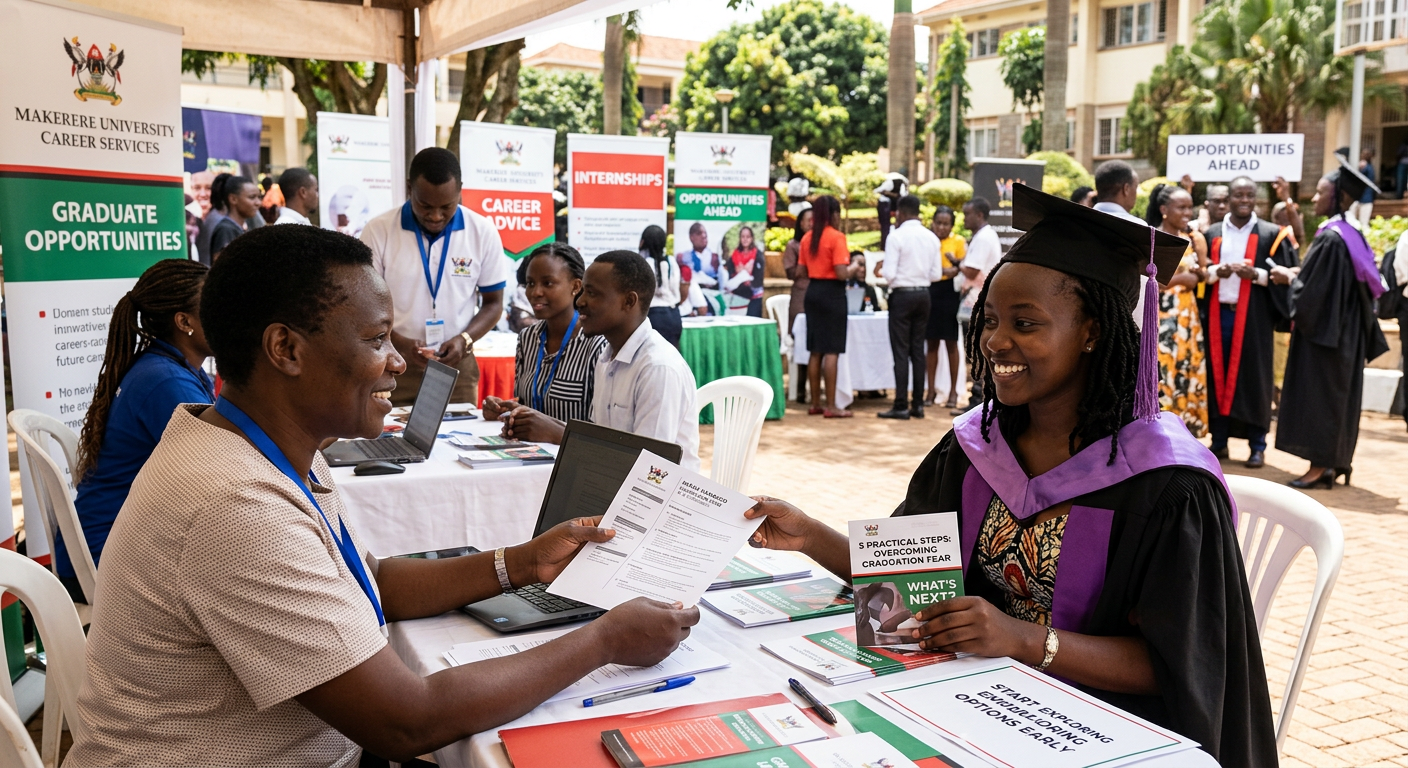
The Wellness Post: When graduation approaches: Five practical steps to overcoming the fear of “what’s next?”
For many university students, the final months before graduation are filled with excitement, pride, and a sense of achievement. After years of attending lectures, completing assignments, passing exams, and overcoming challenges, the dream of holding a degree is finally becoming a reality. However, as graduation gets closer, another feeling often begins to appear: uncertainty. You start asking yourself:
“Will I get a job after graduation?”
“What will I do when I leave university?”
“I don’t have connections like others; how will I compete?”
“My parents have sacrificed so much on me.. What if I finish university and have nothing to show them?”
“It is so embarrassing to return home without a job!”
These thoughts can become overwhelming. You may start comparing yourself with others who seem to already have opportunities, internships, or personal connections. You hear stories of friends who have secured jobs, and you begin wondering why you are not in the same position.
Slowly, worry can turn into anxiety.
You may find yourself spending hours thinking about the future, struggling to sleep because your mind is filled with questions and fears. You may lose your appetite, lose weight, feel constantly tired, have difficulty concentrating, or lose confidence in your abilities.
This is a common experience among many graduating students. The transition from university life to the professional world is a major life change, and uncertainty about the future can create significant stress.
However, anxiety does not mean that your future is hopeless. It is a signal that you need to pause, organize your thoughts, and take practical steps toward preparing yourself.
However, here are some few steps to navigate the transition.
1. Start exploring your options early
Instead of waiting until graduation day to begin thinking about your future, start exploring your options now. Ask yourself:
- What skills have I developed during my studies?
- What type of work interests me?
- What problems would I like to help solve?
- What industries or organizations would benefit from my knowledge?
- What additional skills do I need to become more competitive?
Your degree is not only a certificate; it is a foundation. Employers also look for communication skills, teamwork, problem-solving abilities, adaptability, leadership, and willingness to learn.
2. Seek practical experience before graduation
One of the best ways to prepare for employment is to gain practical experience.
During your holidays or free time, consider applying for internships, volunteering opportunities, part-time work, or projects related to your field of study that you are interested in building your future career. An internship can help you:
- Understand how organizations operate.
- Build professional networks.
- Develop workplace skills.
- Gain confidence.
- Discover your strengths and areas for improvement.
Remember, many career opportunities begin with small steps. An internship, attending conferences related to your field of study, volunteer experience, or temporary opportunity can become the bridge to your first job.
3. Avoid comparing your journey with others
. You may see someone getting a job quickly and assume they are ahead of you. But everyone’s journey is different. Some people find opportunities immediately; others take time to discover their path. Your value is not determined by how quickly you get your first job. What matters is continuing to learn, improving yourself, and staying open to opportunities.
4. Take action instead of only worrying
The future may feel uncertain, but preparation can reduce fear. Instead of spending nights worrying:
- Update your CV.
- Learn a new skill.
- Attend interesting workshops.
- Connect with professionals in your field.
- Apply for internships.
- Seek mentorship.
- Explore different career paths.
Small actions create confidence. Graduation is not the end of your journey; it is the beginning of a new chapter. Feeling uncertain is normal, but you do not have to allow fear to stop you. Start preparing today, and trust that your efforts can open doors to new opportunities. Your future is not decided by one moment after graduation. It is built through continuous learning, courage, and the choices you make every day.
5. Ask for guidance and support
You do not have to figure everything out alone. You can also talk to a counselor or career guidance staff, if worries about the future are becoming too heavy. Sometimes, sharing your fears with someone who listens and understands can help you see solutions more clearly.
Remember that education is a long-term investment
Many students feel pressure because their parents have sacrificed financially to support their education. Others experience a different kind of pressure because, after receiving a scholarship or financial support, they become a source of hope and assistance for their families. They may start contributing to household needs, supporting siblings, or helping their families financially, which creates a strong expectation to succeed immediately after graduation.
Because of this responsibility, some students fear disappointing their families if they do not find a job right away. They may feel ashamed to return home without employment or worry that their education has not produced the results everyone expected.
Remember that the support and sacrifices made by your parents are not wasted since building a career journey takes time. It requires patience, continuous learning, and persistence.
What will truly make your family proud is not only getting a job quickly, but seeing you continue trying, developing yourself, using the opportunities you have received wisely, and working toward achieving your dreams. Success is a journey, and every step you take toward growth and self-improvement is part of building your future.
With encouragement,
Christella ISHIMWE
Psychosocial Support Officer
Mastercard Foundation Scholars Program at the University of Rwanda