The Wellness Post: Your career starts before Graduation
Kevin arrived at the University of Rwanda carrying more than just a suitcase. He carried the hopes of his parents, the expectations of his community, and the dream of breaking the cycle of poverty. As an admitted student at Uniersity of Rwanda, he knew this opportunity was life-changing, and he promised himself that he would make the most of it.
From his first day on campus, Kevin focused on one thing: getting good grades.
He attended every lecture, submitted every assignment on time, and spent most evenings in the library. He believed that graduating with First Class Honours would automatically guarantee him a good job.
Whenever classmates talked about volunteering, leadership positions, internships, networking events, or career workshops, Kevin politely declined.
"I need to focus on my studies," he would say.
His friend Aline, however, had a different approach.
She also worked hard academically, but she volunteered in community outreach activities, joined a student club, attended career development workshops, participated in innovation challenges, and applied for other opportunities, either locally or internationally. During university breaks, she applied for internships, even when they were unpaid, because she wanted to gain experience.
Kevin often wondered why Aline spent so much time on activities that were not graded.
"Employers only care about the degree," he told himself.
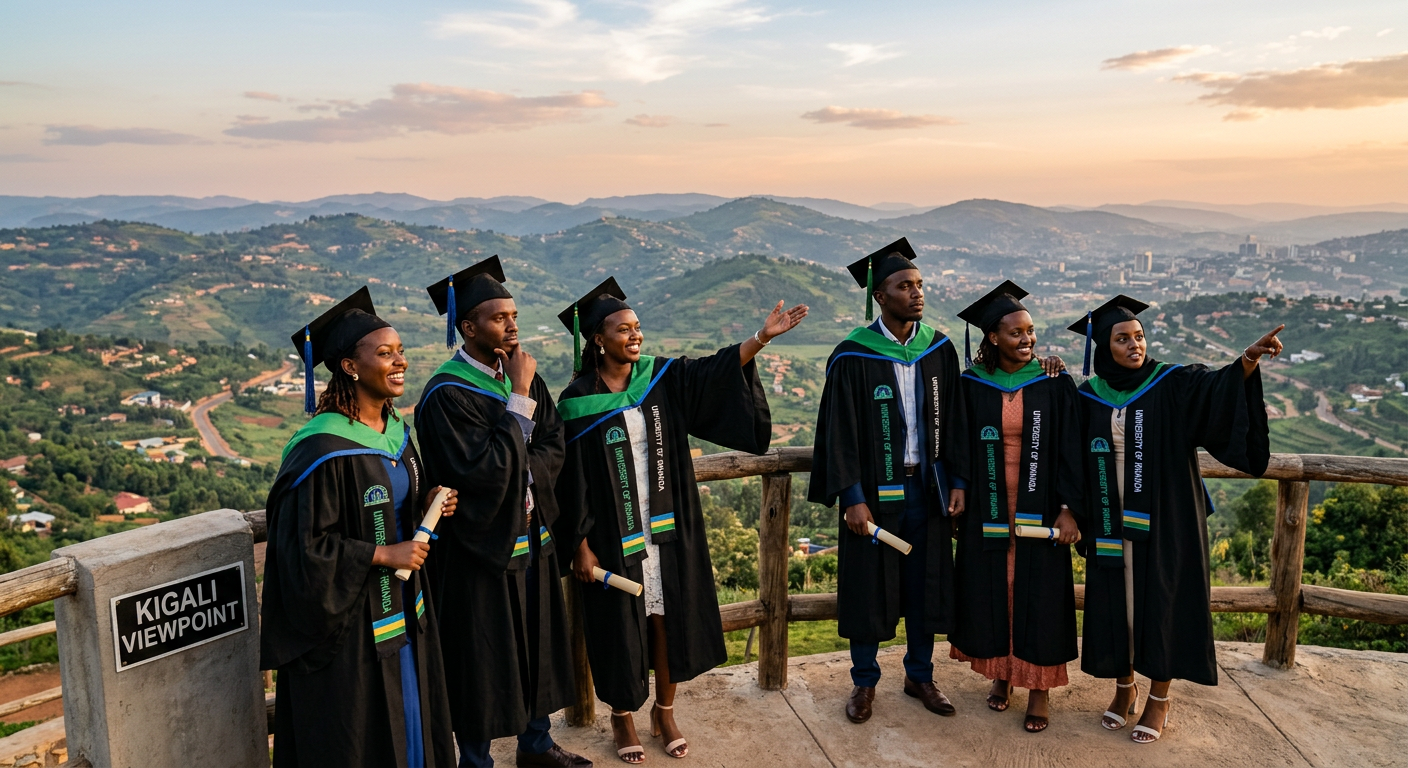
Four years later, they graduated together.
Kevin proudly held his degree with excellent grades and expected employers to compete for him. But after submitting dozens of job applications, he received very few interview invitations. During interviews, employers asked about leadership experience, teamwork, problem-solving, communication skills, and practical experience.
Kevin realized he had little to say.
Aline also graduated with excellent academic results. But in addition, she had internship experience, leadership roles, volunteer work, recommendations from lecturers, professional networks, and confidence built through years of practical learning.
Within a few months, she received several job offers.
Kevin was confused.
"We both earned the same degree," he said.
His career advisor smiled and replied,
"You started preparing for employment after graduation. Aline started preparing on her first day at university."
That conversation changed Kevin's perspective.
He began attending professional trainings, volunteering, improving his communication skills, building his CV, and networking with professionals. Although his journey took longer than he expected, he eventually found meaningful employment.
Looking back, he wished someone had told him earlier: “Your career starts before graduation.”
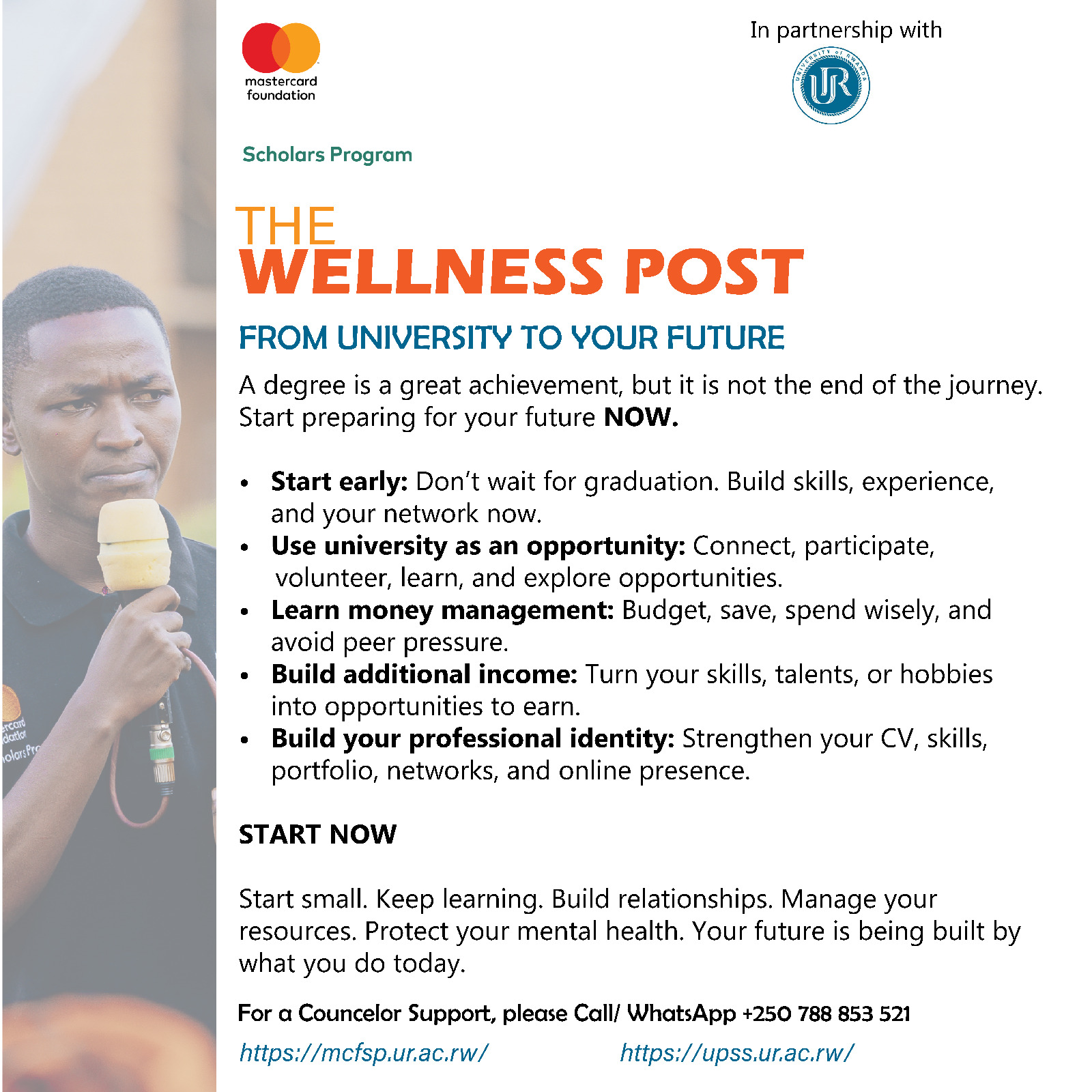
A university degree is one of the greatest achievements you will ever earn. It opens doors, but it is not the only key. Today's employers are looking for graduates who can communicate, collaborate, solve problems, adapt to change, and demonstrate initiative. So, how do you prepare for your career while you are still a student? Let's talk about it.
Ask yourself: why have I came to university?
You did not come only to earn a degree. You came to develop knowledge, discover your potential, build your character, and prepare for a meaningful career. Every semester is an opportunity to become a better professional, not just a better student. Having that in mind will help you know what your priorities are.
Build skills, not just grades
Academic excellence is important, but the reality is that employers also value practical skills. Learn how to communicate effectively, work in teams, solve problems, manage your time, think critically, and lead others. Ask yourself: What am I bringing to the table, and how can my skills contribute to the success of an organization? These skills are developed through participation, practice, and experience, take advantage of opportunities that expose you to real-life situations where you can practice and strengthen these skills.
Gain practical experience early
Do not wait until your final year to think about internships. Volunteer in your community. Join student organizations. Participate in research projects, innovation competitions, and professional workshops. Every experience teaches you something that cannot be learned from a textbook.
Build meaningful relationships
Your lecturers, mentors, alumni, supervisors, and fellow students can become valuable sources of guidance and opportunity. Networking is not about asking people for jobs. It is about building genuine relationships based on respect, learning, and professionalism.
Invest in continuous learning
The world of work is changing rapidly. Take advantage of online courses, certifications, digital tools, artificial intelligence, entrepreneurship programs, and leadership opportunities. Learning should not stop at school.
Create opportunities instead of waiting for them
Many students wait for opportunities to find them.
Successful graduates actively seek opportunities. Instead of pannicking about how your future will look like after graduating. Apply for internships. Attend career fairs. Ask questions. Request mentorship. Volunteer. Take initiative. The habits you build today will shape the opportunities you receive tomorrow.
Take care of your wellbeing
Career success is not only about knowledge and skills. Your mental health matters. Learn how to manage stress, ask for help when needed, maintain healthy relationships, and balance your academic responsibilities with rest and self-care. A healthy mind allows you to learn, grow, and perform at your best.
For many of you, your education represents the hopes of your family, your community, and future generations. Honor that opportunity by preparing yourself not only to graduate, but also to lead, innovate, and serve. If you feel uncertain about your career direction, do not struggle alone. Talk to your lecturers, career guidance staff, or the Psychosocial Support staff.
Remember, your future is not built in your final semester. It is built every day through every class you attend, every skill you develop, every relationship you nurture, and every opportunity you choose to embrace.
You deserve to graduate with knowledge.
You deserve to graduate with confidence.
And you deserve to graduate ready for the future.
With encouragement,
Christella ISHIMWE
Psychosocial Support Officer
Mastercard Foundation Scholars Program at the University of Rwanda