The Wellness Post: From University to the Future: Practical Advice for Young People
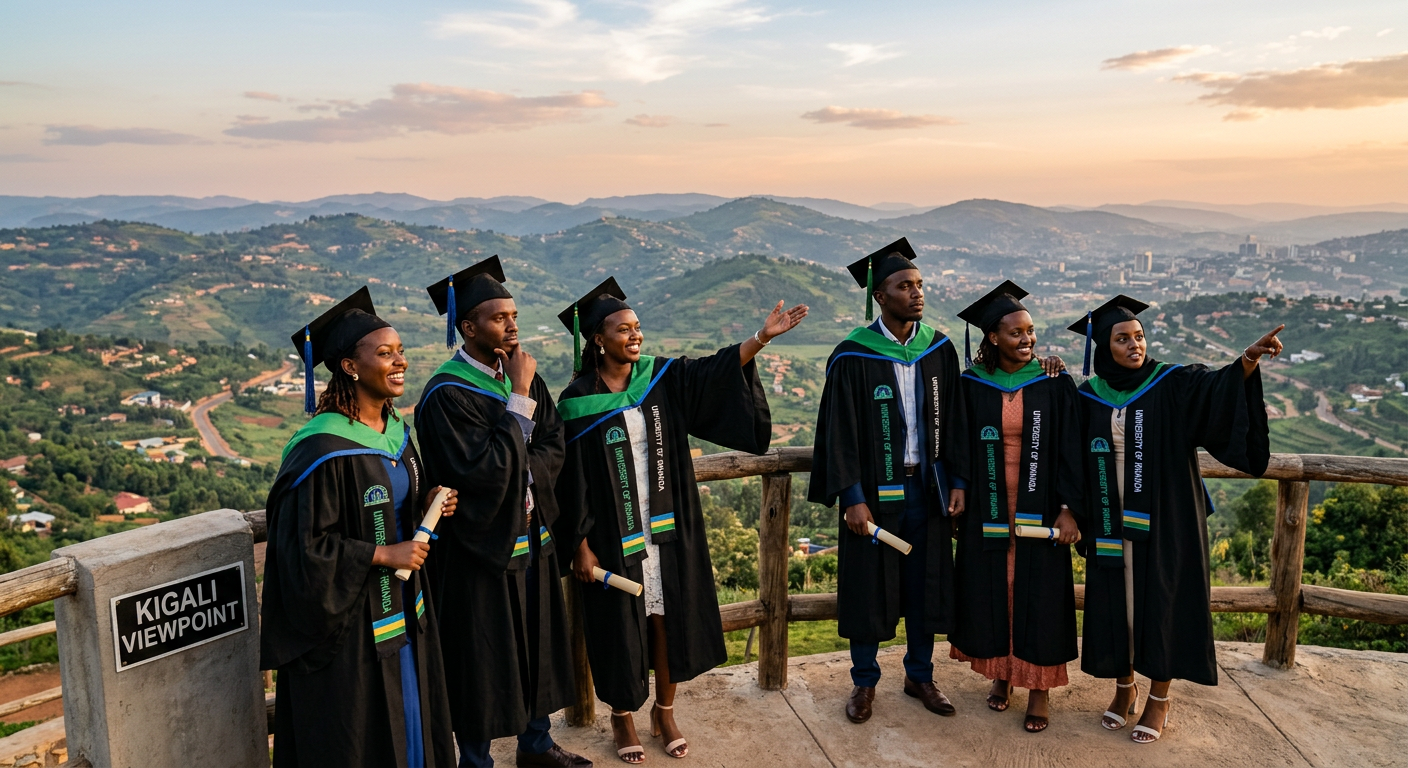
For many young people in Rwanda, university is a major achievement. It represents years of studying, sacrifice, and hope for a better future. But after graduation, many discover that having a degree does not automatically lead to a job or financial independence.
The transition from university to working life can therefore be challenging. Some graduates spend months or even years looking for employment. Others accept opportunities outside their field, start small businesses, depend on family members, or try different income-generating activities while searching for more stable opportunities.
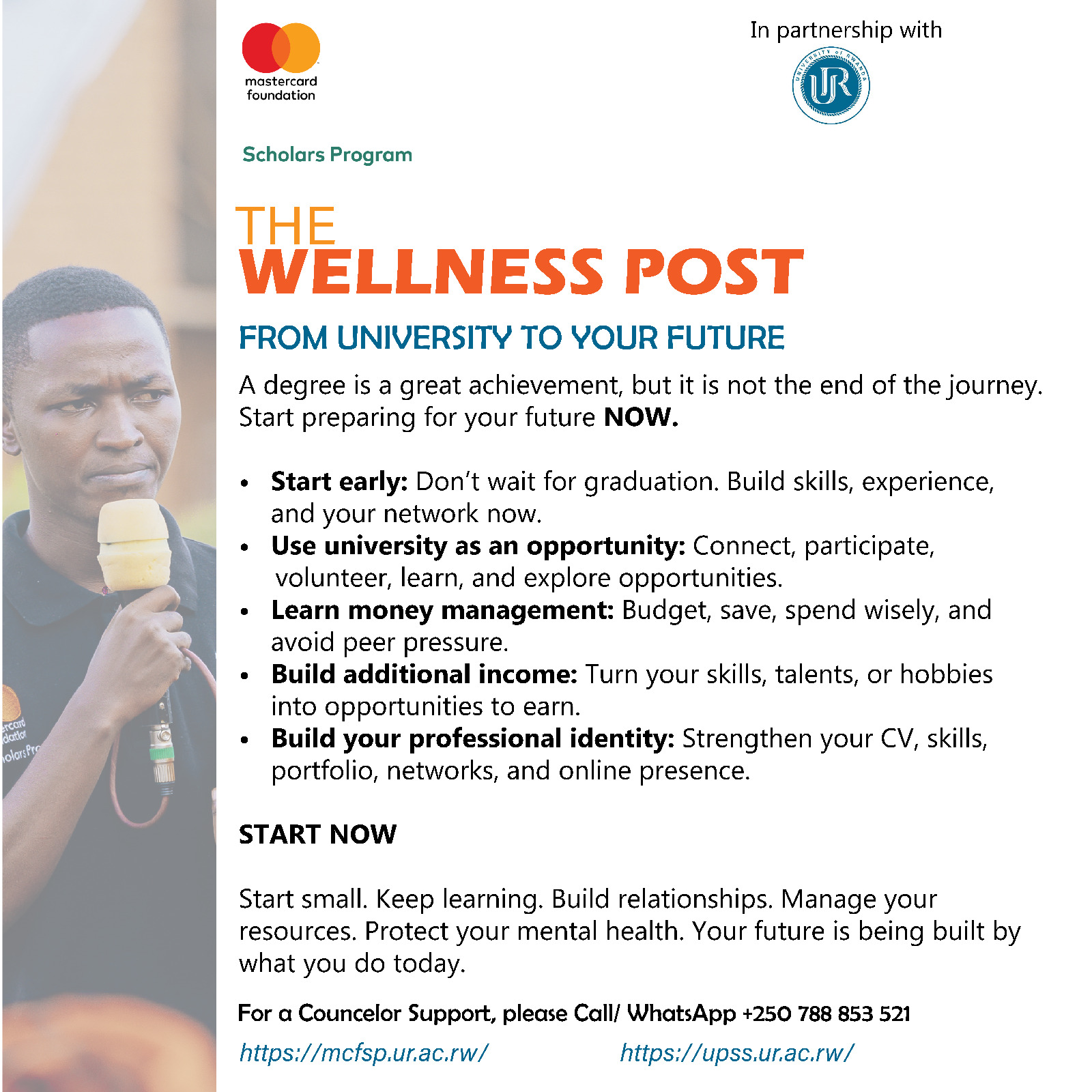
1. Do not wait until graduation to start building your career.
For example, if you are studying Business Administration, don't wait until your final semester to look for experience. You could volunteer with a small business, help a local entrepreneur manage social media, learn bookkeeping, participate in entrepreneurship competitions, or take an internship during holidays.
If you study Agriculture, you could participate in agricultural projects, learn modern farming techniques, connect with cooperatives, or experiment with a small project rather than waiting for an agricultural organization to employ you. If you study IT, build websites, applications, digital solutions, or simple systems for people around you. Even a small project can become part of your portfolio. Your question should be: “What can I start doing now that will make me more employable when I graduate?
2. Learn to turn your university environment into an opportunity
University gives you access to more than lecturers and classrooms. You may have access to: lecturers who have professional networks, Alumni, student organizations, Research projects, Internships, Conferences and workshops, Entrepreneurship programs, Organizations working with your university
For example, instead of only attending a university career event to collect brochures, introduce yourself to professionals and ask: “I am a second-year student studying Environmental Science. What skills would you recommend I develop before graduation if I want to work in your field?” That conversation could lead to advice, mentorship, an internship, or even a future opportunity. Do not just attend opportunities. Engage with them.
3. Learn financial literacy before you start earning a big salary
This is particularly important for students receiving bursaries, stupents, or financial support. Give your money a purpose before you spend it. A bursary or stipend may feel like a lot when you first receive it. But if you spend heavily during the first week because friends are spending, you may struggle for the rest of the month. Financial literacy means learning to ask: “What will I need this money for over the next four weeks?
4. Start looking for another stream of income
Whateverthat doesn’t disturb your sturdies can be worked on during your free time. You can start with something as simple as: selling snacks on campus, photography or videography, graphic design, social media management, doing make up,… For example, a student who is good at graphic design could begin by designing posters for student organizations or small businesses. If they charge RWF 2,000 - 5,000 per design and gradually develop a reliable client base, they are not only earning money, they are also building experience, a portfolio, relationships, and a reputation. The first objective does not have to be becoming rich.
5. Build a professional presence
Your LinkedIn, email, CV, and other professional platforms can become part of your career identity. Imagine two graduates applying for the same internship. Graduate A has only a degree listed on the CV. Graduate B has: A degree, two internships, volunteering experience, a small project, certificates from relevant training, and a LinkedIn profile. The second graduate may have a stronger story to tell.
The important thing is to be strategic. Ask:
What am I learning?
Who am I meeting?
What experience am I gaining?
Can I use this experience in my next opportunity?
Even though the journey from university to financial independence may not always be easy. But preparation can make a significant difference. Start small. Manage what you have. Learn continuously. Build relationships. Look for opportunities. Protect your mental health. And don't wait for the perfect opportunity before you begin building your future. Go to university and use those years to build the person, skills, relationships, financial habits, experience, and resilience that will help you create opportunities.
By Christella ISHIMWE
Psychosocial Support Officer